
About us
About us
Faridabad is a major industrial city located in the state of Haryana, India, just about 25 kilometers south of Delhi, and it forms an important part of the National Capital Region (NCR). The city was founded in 1607 by Sheikh Farid during the Mughal era to protect the highway between Delhi and Agra, and later developed rapidly after India’s independence when it became a settlement area for refugees and a center for light industries. Today, Faridabad is known for its strong manufacturing base, producing items such as tractors, motorcycles, machine tools, garments, refrigerators, and engineering products, which contribute significantly to the state’s economy. Surrounded by the plains of the Yamuna River and the Aravalli Hills, the city has grown into a mix of residential neighborhoods, industrial sectors, markets, and educational institutions. Apart from business and industry, Faridabad also attracts visitors through cultural and tourist spots like Suraj Kund, Raja Nahar Singh Palace, and Badhkal Lake, reflecting both its historical heritage and modern urban development. With expanding infrastructure, metro connectivity, and growing real estate, Faridabad continues to evolve as an important commercial and residential hub near Delhi. Faridabad also has strong historical and cultural importance. The city was founded in 1607 by Sheikh Farid to protect a major Mughal highway, and today it still reflects that heritage through monuments and traditional sites. Tourist attractions such as Surajkund, Raja Nahar Singh Palace, and Badhkal Lake showcase a mix of history and natural beauty, drawing visitors throughout the year. The Surajkund International Crafts Mela, held annually, is one of the most famous cultural fairs in India, where artisans from different states display handicrafts, art, and regional food traditions. In recent years, the city has experienced rapid urban development with new highways, expressways, and planned metro connectivity improving accessibility to Delhi, Noida, and other NCR cities. Infrastructure projects and industrial corridors have boosted real-estate demand and created new job opportunities, turning Faridabad into an emerging investment hub. Government master plans focus on improving water supply, waste management, roads, and civic facilities to support future population growth and urban expansion.
Glance Of Faridabad
Area
~783 km
Population
1.8 million
Spoken Language
Punjabi, Haryanvi, Bhojpuri, English
Revenue
89,97,90,654 per year
Faridabad
History Of Faridabad
Faridabad has a long and interesting history that dates back to the Mughal period. The city was founded in 1607 by Sheikh Farid, a treasurer of the Mughal emperor Jahangir, and it was originally established to protect the important trade route between Delhi and Agra from robbers and invaders. During the Mughal era, Faridabad developed as a small administrative and trading center, surrounded by villages and fertile land near the Yamuna River. The region also witnessed the influence of Rajput rulers and later came under the control of the Marathas before eventually becoming part of British India in the 19th century. Many historical structures in and around the area, including old forts and palaces, reflect this mixture of Mughal and regional architectural styles. After India gained independence in 1947, Faridabad experienced a major transformation. The Indian government developed the city as a planned industrial township to rehabilitate refugees who migrated from Pakistan during the partition. With support from national leaders and organizations, factories, housing colonies, and markets were built rapidly, turning Faridabad into one of North India’s earliest modern industrial cities. By the 1950s and 1960s, the city had become a key center for manufacturing and engineering industries, attracting workers and entrepreneurs from different parts of the country. This period laid the foundation for Faridabad’s reputation as the industrial heart of Haryana. In the late 20th century, Faridabad continued to expand due to its close proximity to Delhi and its inclusion in the National Capital Region (NCR). New residential sectors, educational institutions, and transportation networks were developed, connecting the city more closely with neighboring urban areas. At the same time, cultural traditions remained strong through local festivals, crafts, and historical landmarks such as Surajkund, which hosts the famous international crafts fair every year. Today, Faridabad stands as a city where historical heritage and modern urban growth exist together, reflecting centuries of political change, industrial progress, and social development.
Popular Places Of Faridabad
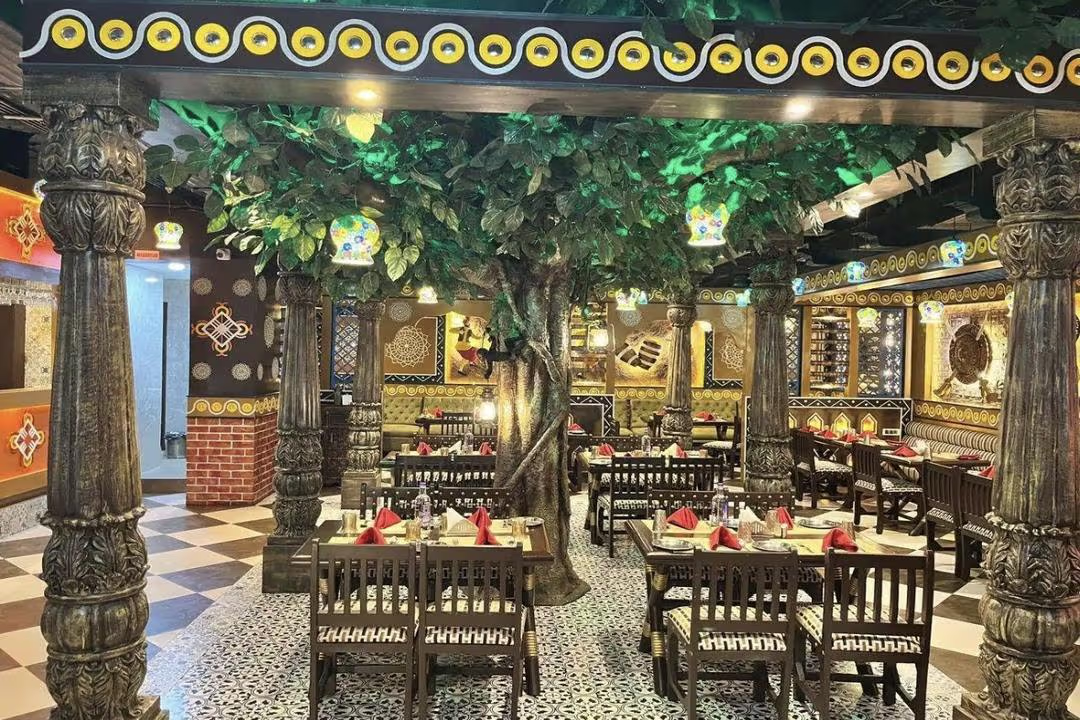 Crown Interiorz Mall
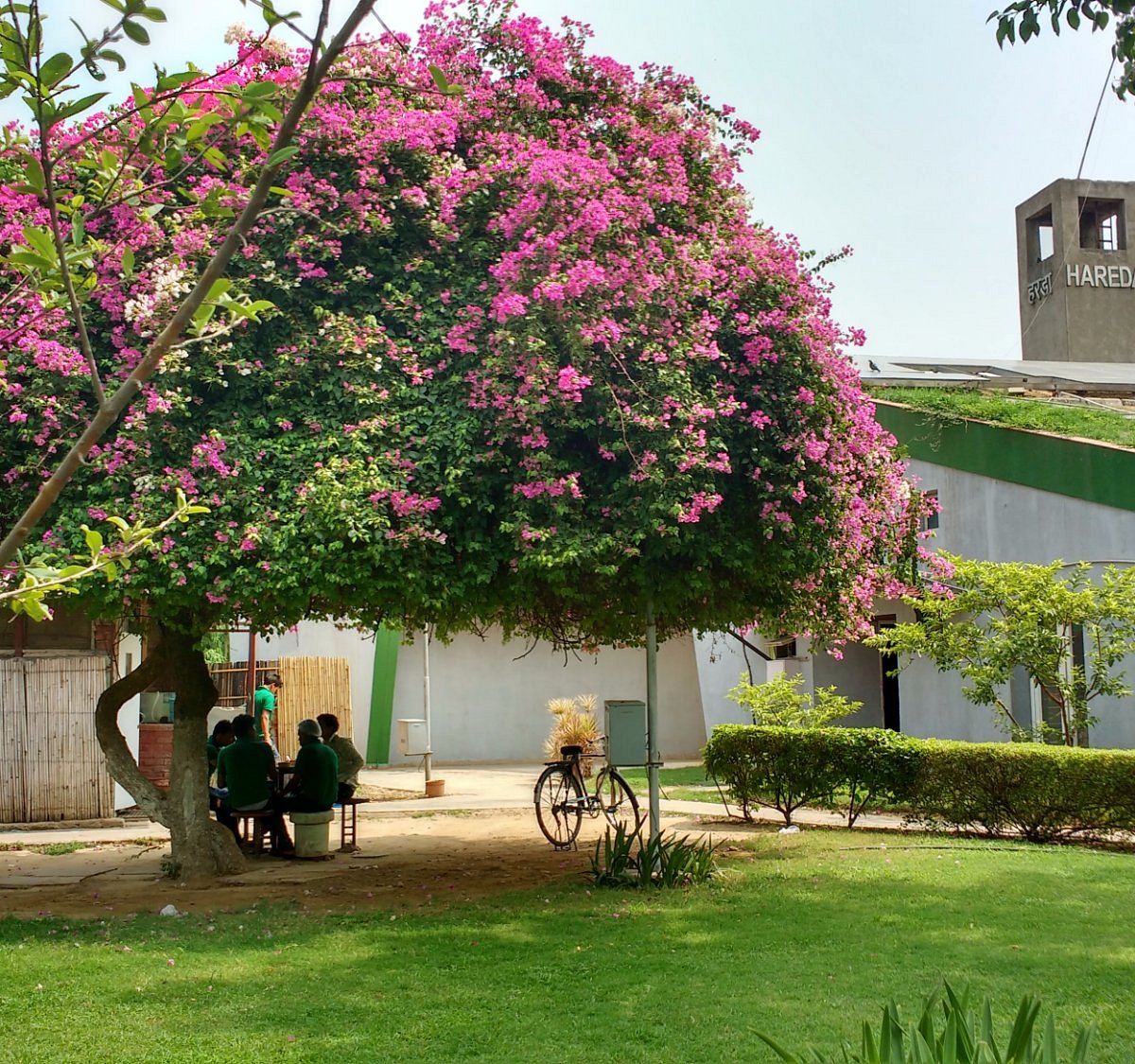 Leisure Valley Park
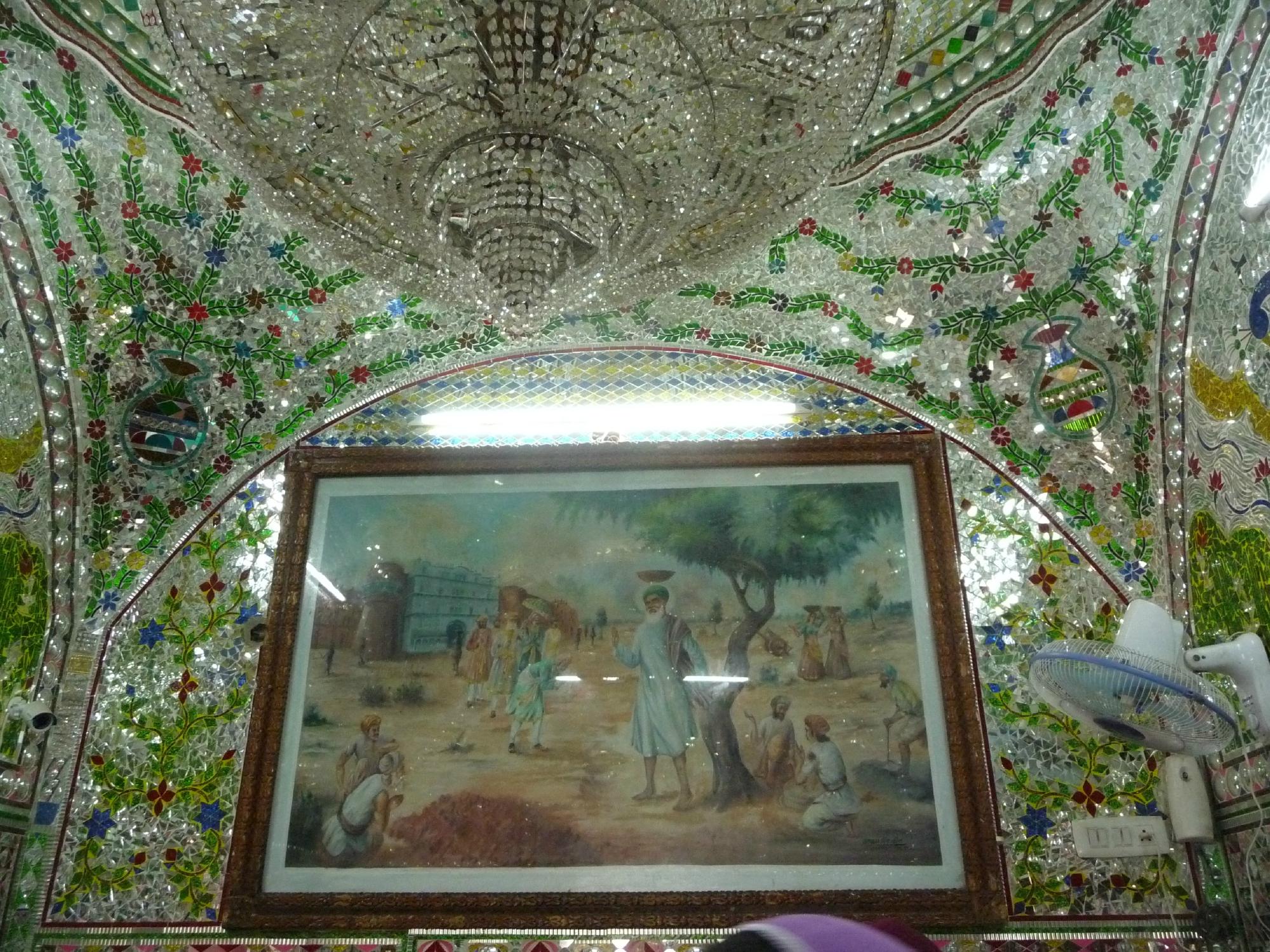 Baba Farid’s Tomb
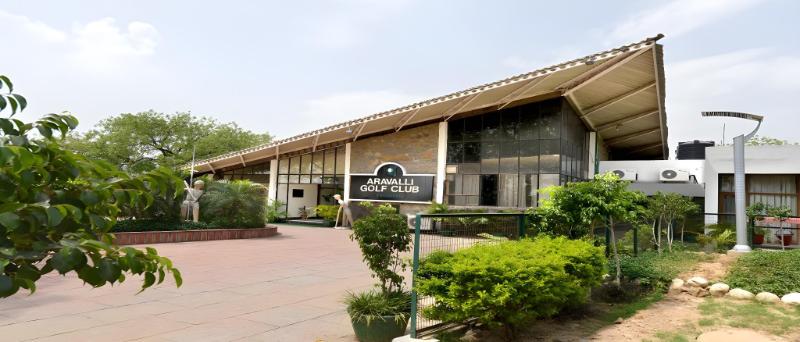 Aravalli Golf Course
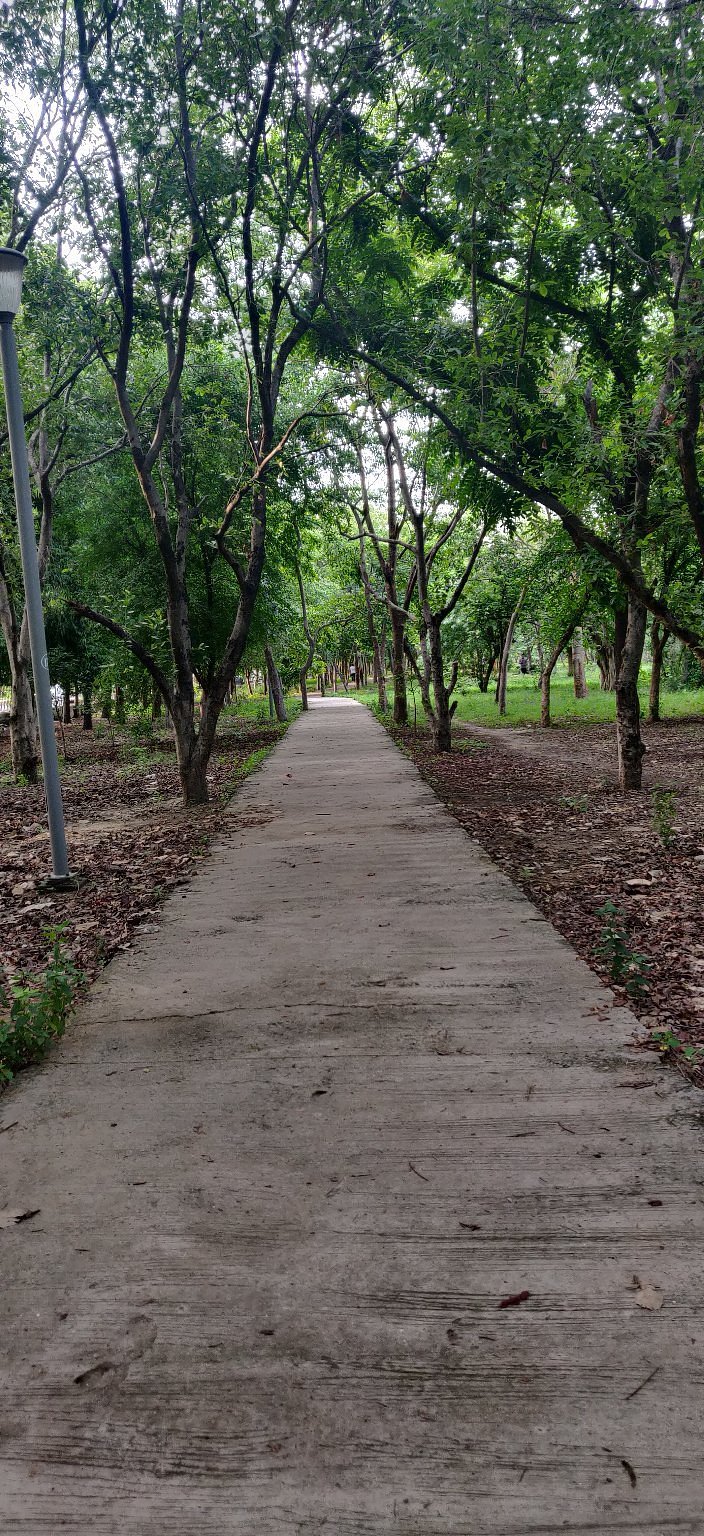 Town Park
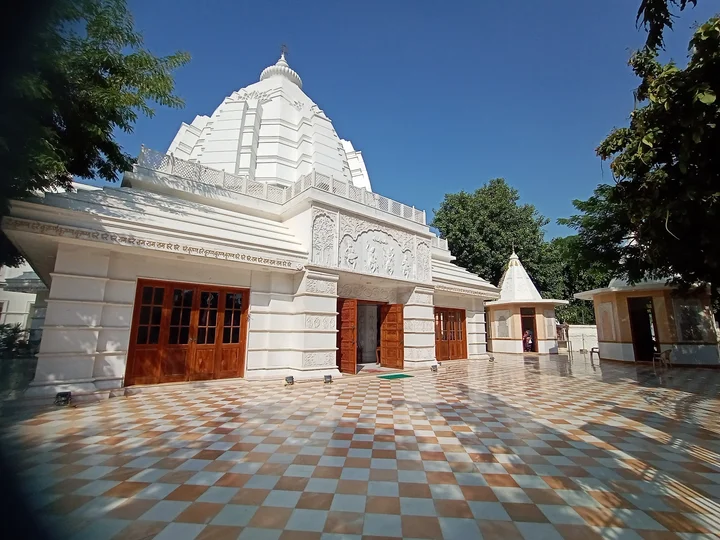 ISKCON Temple
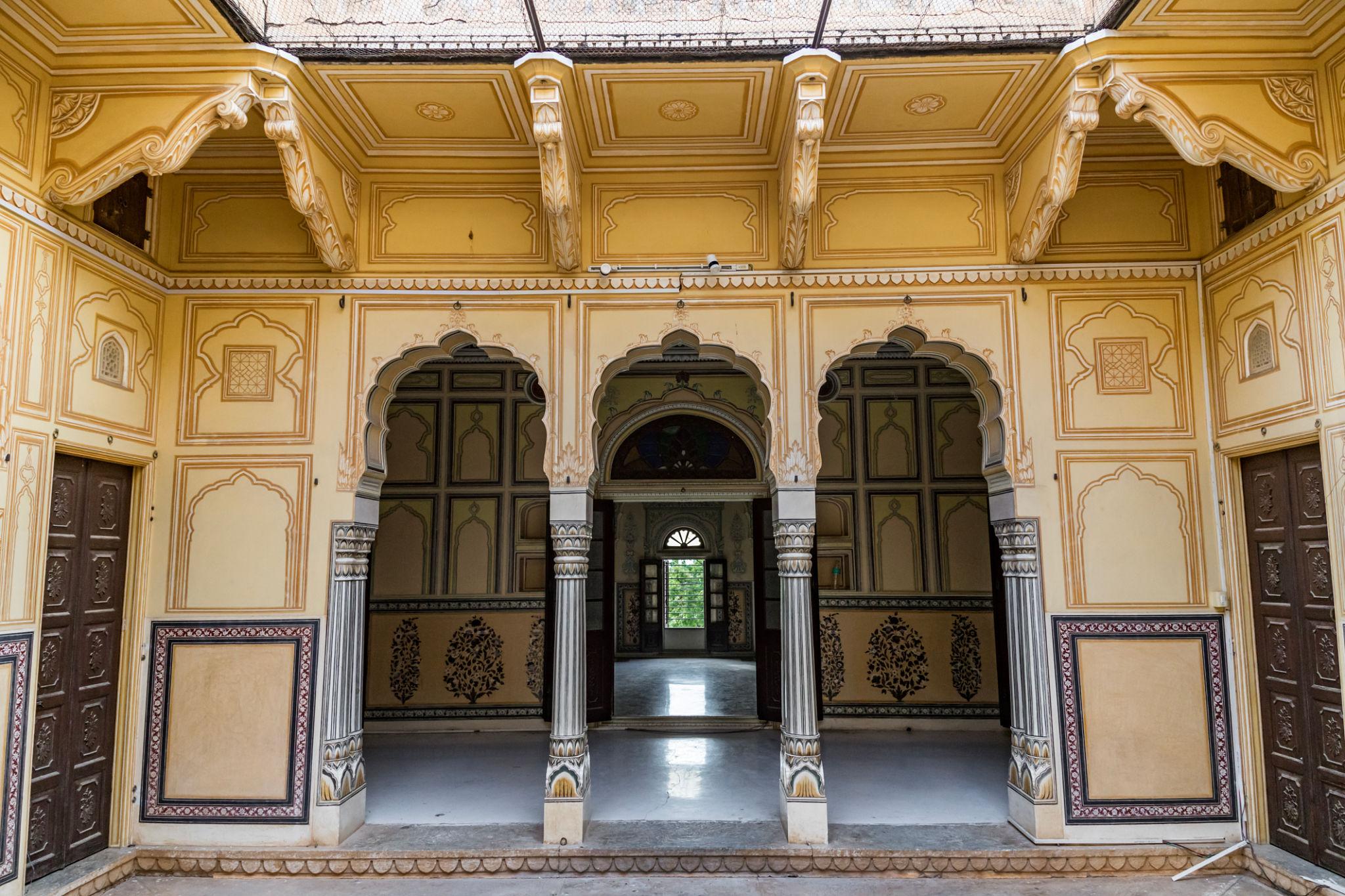 Raja Nahar Singh Palace
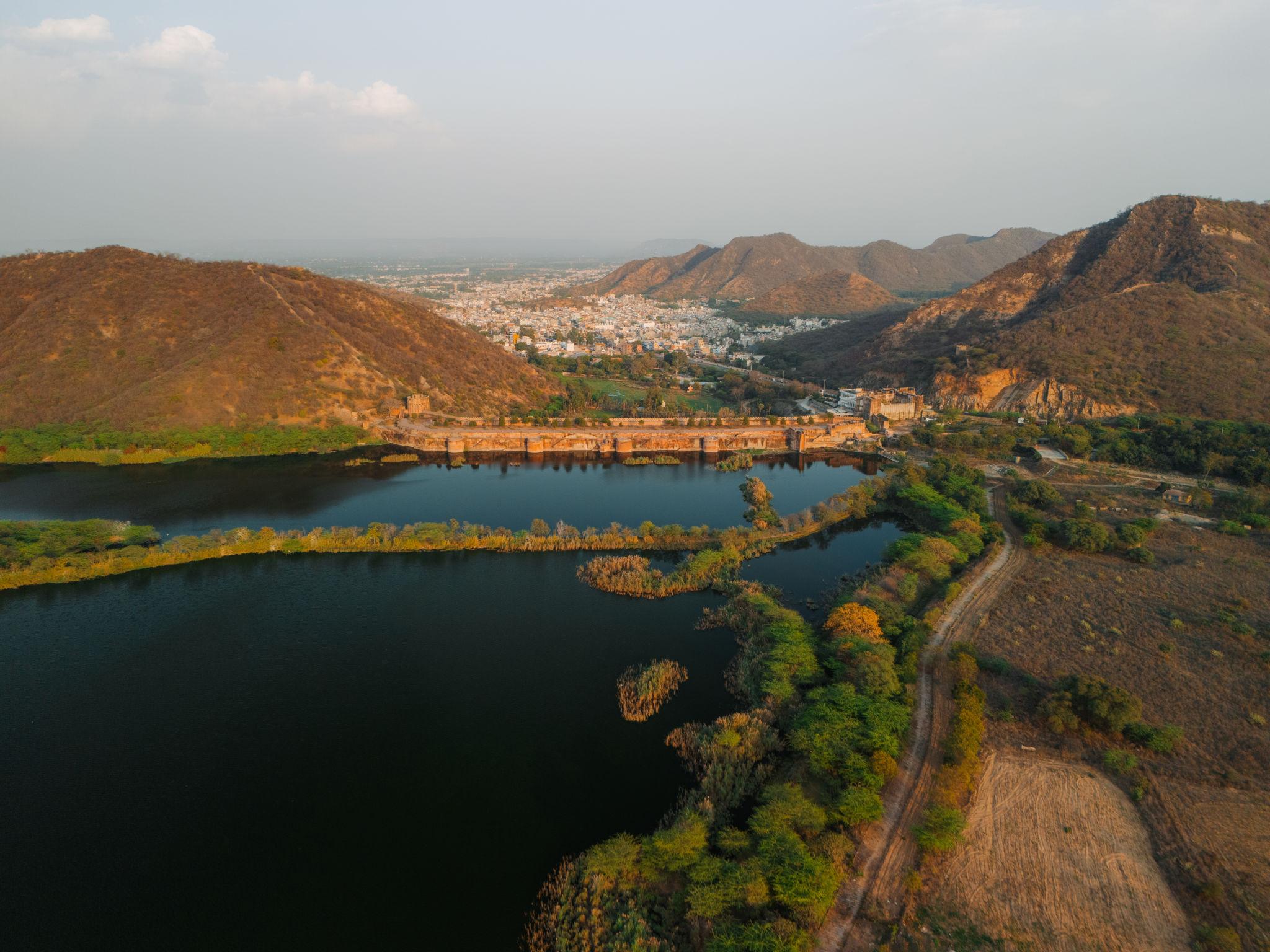 Surajkund
×
![]()
×
![Preview]()